



| Brand Name: | Rumen Bypass Fat |
|---|---|
| Efficacy: | Promote Healthy & Growth,Promote Nutrition |
| Type: | Feed Grade Minerals & Trace Elements |
| EINECS No.: | 28352500 |
| CAS No.: | 17909-79-8 |
| Place of Origin: | Malaysia |
| MF: | C36H32O11 |
| Other Names: | Rumen Protected Fat |
| Name: | Rumen Bypass Fat |
| Other Name: | Rumen Protected Fat |
| Quality: | Supreme |
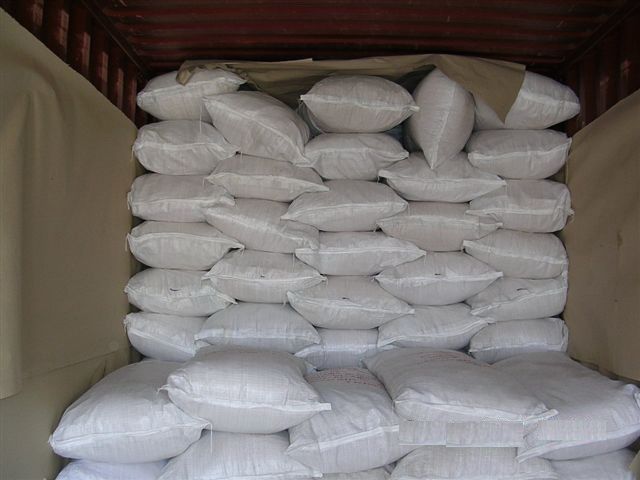
| Packaging: | Bags |
| Certificates: | COA, HACCP |
| Package: | 25/50/100PP Bags |
| Source: | dry fats |
Quick Details
Specifications
in essence, dry fats are not as much protected as completely insoluble in the rumen, so they have small impacts on rumen fermentation.
Today, there are only three methods of producing dry fats for animal feeds. The method that produces the least desirable product for the cow, partial hydrogenation of tallow, is seldom used for dairy rations and will not be discussed further. One acceptable method for producing a bypass fat is to hydrolyze the fatty acids from palm oil or tallow, partially hydrogenate them and then spray-chill them in a tower to form fatty acid prills.
the dominant bypass fat technology is still the reaction of vegetable fatty acids with calcium oxide to form insoluble calcium soaps. Within the feed industry, these calcium soaps, or salts, appear on feed labels as " calcium salts of long-chain fatty acids." Because free fatty acids are a major byproduct of producing palm oil for human food, almost all calcium salts produced worldwide come from palm oil fatty acids.
Because large amounts of dietary fat will eventually reduce feed intake of any animal species, feeding guidelines for feeding bypass fats are generally in the range of 200 to 600 grams per cow daily. Performance goals and ration cost will generally be the dominant factors in determining how much bypass fat to feed.
Color Light brown to pale yellow
Moisture 5%
Crude Fat 82.5% Min.
Calcium 8%
Today, there are only three methods of producing dry fats for animal feeds. The method that produces the least desirable product for the cow, partial hydrogenation of tallow, is seldom used for dairy rations and will not be discussed further. One acceptable method for producing a bypass fat is to hydrolyze the fatty acids from palm oil or tallow, partially hydrogenate them and then spray-chill them in a tower to form fatty acid prills.
the dominant bypass fat technology is still the reaction of vegetable fatty acids with calcium oxide to form insoluble calcium soaps. Within the feed industry, these calcium soaps, or salts, appear on feed labels as " calcium salts of long-chain fatty acids." Because free fatty acids are a major byproduct of producing palm oil for human food, almost all calcium salts produced worldwide come from palm oil fatty acids.
Because large amounts of dietary fat will eventually reduce feed intake of any animal species, feeding guidelines for feeding bypass fats are generally in the range of 200 to 600 grams per cow daily. Performance goals and ration cost will generally be the dominant factors in determining how much bypass fat to feed.
Color Light brown to pale yellow
Moisture 5%
Crude Fat 82.5% Min.
Calcium 8%