



| Brand Name: | HONGYUE |
|---|---|
| Model Number: | HY-021 |
| Place of Origin: | China (Mainland) |
Quick Details
Specifications
Coal powder.
Coal, referred to as coal, is the ancient plant remains, buried in the ground, through the earth's crust to isolate the air pressure and temperature conditions, resulting in the carbonation of fossil minerals, mainly used as a fuel for human.
Coal for industrial modernization, whether it is heavy industry, light industry; both the energy industry, metallurgy industry, chemical industry, machinery industry, or textile industry, food industry, transportation play an important role, various industrial sectors are to a certain extent, to a certain amount of coal consumption. So it is called coal industry "real food". Is one of the main energy sources in the world since eighteenth Century.
The coal is the coal to remove impurities and contaminants processing into fine powder, the original layer changing fuel for suspension combustion, can improve the combustion efficiency of the boiler and coal burnout rate. Not only to ensure that the boiler low load stable combustion, but also can reduce the emissions of harmful substances such as NOX, CO2, smoke, etc., can be a very good environment protection. It has opened up a new way to realize the green environmental protection, energy saving and emission reduction in the special energy of coal.
Coal powder characteristics
Compared with ordinary pulverized coal, coal powder produced by our plant has the following advantages:
1, bright carbon value, volatile and char residue high characteristic, ash content, low gas, a wide range of gas temperature, anti sticking sand and anti clip sand ability etc. advantages.
2, add a little amount, can reduce the sand clay content and water content, sand and new supplement and bentonite usage and improve the sand permeability, mobility and flexibility, especially to prevent casting of sticky sand, sand inclusion, blowhole defect have unique effect.
Physical and chemical index
Product Name
Quantity of heat
Volatile parts
Sour
ash content
Water content
Fixed carbon
coal
About 6000-8000 calories
About 10%
About 0.3
About 8
About 6
More than 70%
Mechanism of coal dust preventing sand sticking
1, in molten metal under the action of high temperature mold surface of pulverized coal produced a large reduction of the gas, to prevent oxidation of the molten iron, and iron on the surface of iron oxide reduction, reduction of metal oxides and sand the possibility of chemical reaction. In the cavity, the reducing gas mainly comes from the volatile matter of coal powder, and also includes the hydrogen gas generated by the water gas reaction between carbon and water at high temperature.
2, after the heating of coal began to soften, with plasticity. If by the beginning of softening to curing between relatively wide temperature range and time long, buffer quartz grains in the heat, the temperature interval and the formation of expansion stress, which can reduce the casting defects caused by thermal expansion of the sand.
3, the pulverized coal after heated gas, liquid and solid three-phase colloid, colloid volume expansion part jam pore between grains, molten iron is difficult to penetrate.
4, pulverized coal in the heat generated by the carbon hydride (mainly aromatic volatile points in 650 DEG to 100 DEG C high temperature, in a reducing atmosphere in the occurrence of gas phase pyrolysis and on the interface of the liquid metal and mold precipitation layer with fine crystalline carbon luster, known as lustrous carbon. This layer of bright carbon without sand infiltration and hard to penetrate to the sand pore in molten iron, resulting in smooth surface castings.
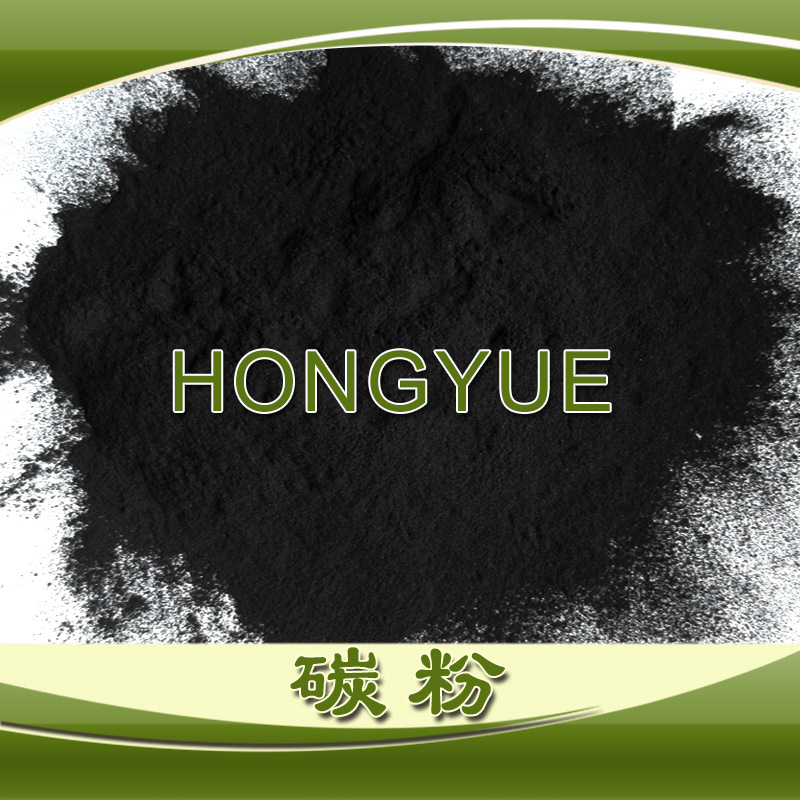
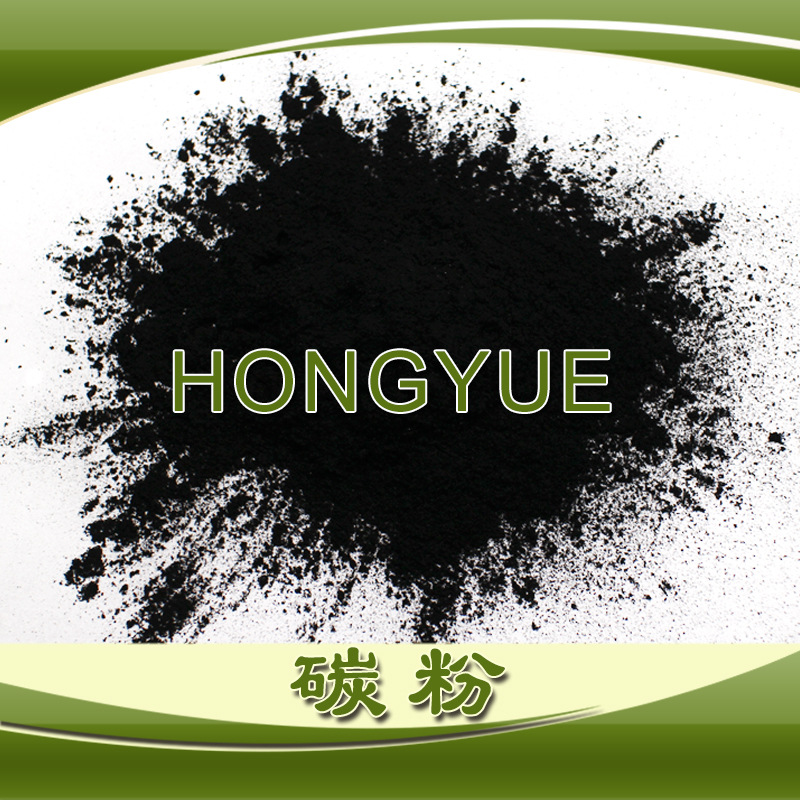
Coal, referred to as coal, is the ancient plant remains, buried in the ground, through the earth's crust to isolate the air pressure and temperature conditions, resulting in the carbonation of fossil minerals, mainly used as a fuel for human.
Coal for industrial modernization, whether it is heavy industry, light industry; both the energy industry, metallurgy industry, chemical industry, machinery industry, or textile industry, food industry, transportation play an important role, various industrial sectors are to a certain extent, to a certain amount of coal consumption. So it is called coal industry "real food". Is one of the main energy sources in the world since eighteenth Century.
The coal is the coal to remove impurities and contaminants processing into fine powder, the original layer changing fuel for suspension combustion, can improve the combustion efficiency of the boiler and coal burnout rate. Not only to ensure that the boiler low load stable combustion, but also can reduce the emissions of harmful substances such as NOX, CO2, smoke, etc., can be a very good environment protection. It has opened up a new way to realize the green environmental protection, energy saving and emission reduction in the special energy of coal.
Coal powder characteristics
Compared with ordinary pulverized coal, coal powder produced by our plant has the following advantages:
1, bright carbon value, volatile and char residue high characteristic, ash content, low gas, a wide range of gas temperature, anti sticking sand and anti clip sand ability etc. advantages.
2, add a little amount, can reduce the sand clay content and water content, sand and new supplement and bentonite usage and improve the sand permeability, mobility and flexibility, especially to prevent casting of sticky sand, sand inclusion, blowhole defect have unique effect.
Physical and chemical index
Product Name
Quantity of heat
Volatile parts
Sour
ash content
Water content
Fixed carbon
coal
About 6000-8000 calories
About 10%
About 0.3
About 8
About 6
More than 70%
Mechanism of coal dust preventing sand sticking
1, in molten metal under the action of high temperature mold surface of pulverized coal produced a large reduction of the gas, to prevent oxidation of the molten iron, and iron on the surface of iron oxide reduction, reduction of metal oxides and sand the possibility of chemical reaction. In the cavity, the reducing gas mainly comes from the volatile matter of coal powder, and also includes the hydrogen gas generated by the water gas reaction between carbon and water at high temperature.
2, after the heating of coal began to soften, with plasticity. If by the beginning of softening to curing between relatively wide temperature range and time long, buffer quartz grains in the heat, the temperature interval and the formation of expansion stress, which can reduce the casting defects caused by thermal expansion of the sand.
3, the pulverized coal after heated gas, liquid and solid three-phase colloid, colloid volume expansion part jam pore between grains, molten iron is difficult to penetrate.
4, pulverized coal in the heat generated by the carbon hydride (mainly aromatic volatile points in 650 DEG to 100 DEG C high temperature, in a reducing atmosphere in the occurrence of gas phase pyrolysis and on the interface of the liquid metal and mold precipitation layer with fine crystalline carbon luster, known as lustrous carbon. This layer of bright carbon without sand infiltration and hard to penetrate to the sand pore in molten iron, resulting in smooth surface castings.
