



| Surface Finishing: | Immersion Gold |
|---|---|
| Board Thickness: | 0.15mm |
| Copper Thickness: | 35 um (1oz) |
| Base Material: | Polyimide (PI) 50 um |
| Brand Name: | Bicheng Enterprise Limited |
| Min. Line Spacing: | 4 mil |
| Min. Line Width: | 4 mil |
| Min. Hole Size: | N/A |
| Model Number: | BIC-252-V252 |
| Place of Origin: | China (Mainland) |
| Solder Mask Color: | Yellow |
| Colour of Component Legend: | White |
| TEST: | 100% Electrical Test prior shipment |
Quick Details
Specifications
Clarifications of FPC
According to the combination of base material and copper foil, flexible circuit board can be
Divided into two types: flexible board with adhesive and flexible board without adhesive. the
Price of non-adhesive flexible PCB is much higher than that of adhesive flexible PCB, but its
Flexibility, bonding force between copper foil and substrate and flatness of solder are also
Better than that of adhesive flexible PCB. so it is only used in the high demand situations,
Such as the: COF (CHIP on FLEX, flexible board with bare chip, the high flatness of the pad)
and so on. Because its price is high, most of the flexible PCBs used in the market are still
Adhesive flexible circuit board. Because the flexible circuit board is mainly used in the
Situation where bending is required, if the design or process is not reasonable, it is easy
to produce micro-cracks, welding and other defects.
Economy of Using FPC
If the circuit design is relatively simple, the total volume is small, and the space is suitable,
the traditional internal connection is much cheaper. Flexible circuits are a good design option
If the circuit is complex, processes many signals or has special electrical or mechanical
Requirements. When the size and performance of applications exceed the capacity of rigid
Circuits, flexible assembly is the most economical. A 12mil pad with a 5mil through hole and
A flexible circuit with 3mil lines and spacing can be fabricated on a thin film. Therefore, it is
More reliable to mount the chip directly on the film. There is no flame retardant that could
Be an ion source. these films may be protective and solidified at higher temperatures to
Obtain higher glass transition temperatures. Flexible materials are less costly than rigid
Materials because they are free of connectors.
FPC Case: Dual Layer Flexible PCB Built on Polyimide
with PI Stiffener
(FPC's are custom-made products, the picture and parameters shown are just for
Reference)
General description
this is a type of flexible printed circuit (FPC) for the application of Wi Fi Antenna. It's a
2 layer flex board at 0.15mm thick. It contains yellow coverlay (solder mask) and without
Silkscreen on entire board, and immersion gold is applied on pads. Polyimide as stiffener
Is applied on the connector part. the base laminate is from Shengyi and they're fabricated
Per IPC 6012 Class 2 using supplied Gerber data. Each 200 pieces are packed for shipment.
Parameter and data sheet
Features and benefits
Excellent flexibility;
Reducing the volume;
Weight reduction;
8000 types of PCB per month;
Quick CADCAM checking and free PCB quotation;
No minimum order quantity. 1 piece is available;
Volume Production capability;
on-time service;
More than 16 years of experience;
Application
Keypad FPC; Toy lamp strip; Display backlight; Flex keyboard for mobile phone keys; POS
Antenna soft board; LCD TV soft board; Digital camera soft board.
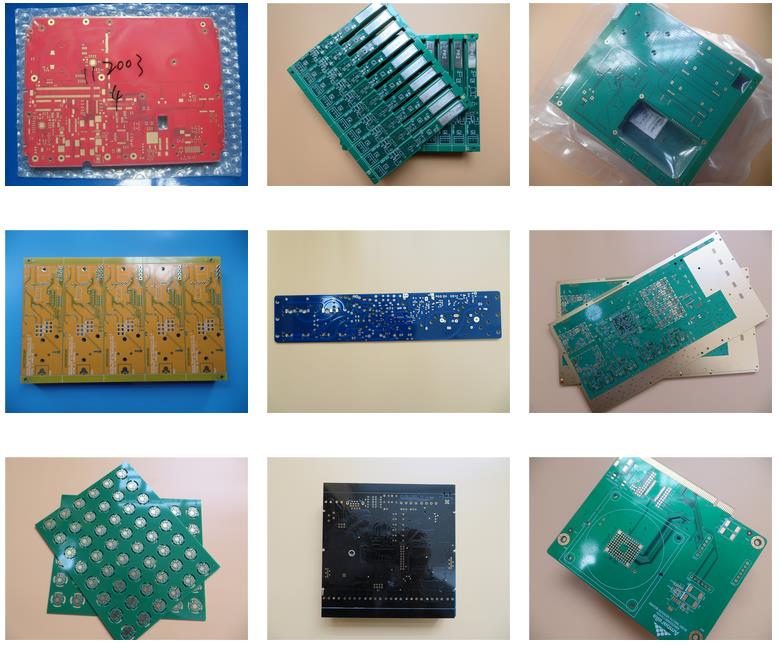
Variety of PCBs
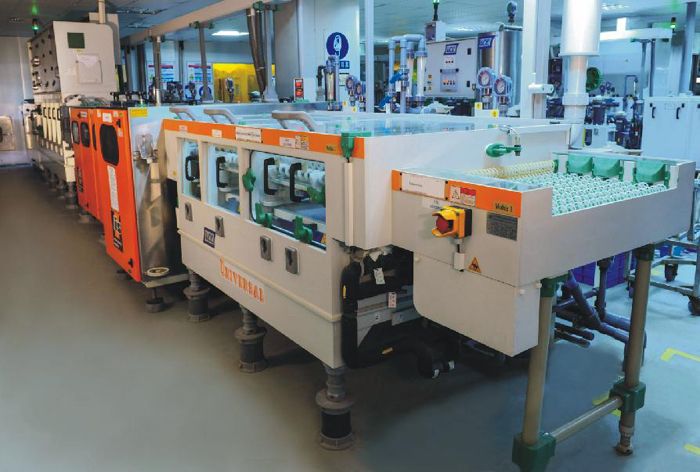
PCB Grinding Machine
According to the combination of base material and copper foil, flexible circuit board can be
Divided into two types: flexible board with adhesive and flexible board without adhesive. the
Price of non-adhesive flexible PCB is much higher than that of adhesive flexible PCB, but its
Flexibility, bonding force between copper foil and substrate and flatness of solder are also
Better than that of adhesive flexible PCB. so it is only used in the high demand situations,
Such as the: COF (CHIP on FLEX, flexible board with bare chip, the high flatness of the pad)
and so on. Because its price is high, most of the flexible PCBs used in the market are still
Adhesive flexible circuit board. Because the flexible circuit board is mainly used in the
Situation where bending is required, if the design or process is not reasonable, it is easy
to produce micro-cracks, welding and other defects.
Economy of Using FPC
If the circuit design is relatively simple, the total volume is small, and the space is suitable,
the traditional internal connection is much cheaper. Flexible circuits are a good design option
If the circuit is complex, processes many signals or has special electrical or mechanical
Requirements. When the size and performance of applications exceed the capacity of rigid
Circuits, flexible assembly is the most economical. A 12mil pad with a 5mil through hole and
A flexible circuit with 3mil lines and spacing can be fabricated on a thin film. Therefore, it is
More reliable to mount the chip directly on the film. There is no flame retardant that could
Be an ion source. these films may be protective and solidified at higher temperatures to
Obtain higher glass transition temperatures. Flexible materials are less costly than rigid
Materials because they are free of connectors.
FPC Case: Dual Layer Flexible PCB Built on Polyimide
with PI Stiffener
(FPC's are custom-made products, the picture and parameters shown are just for
Reference)
General description
this is a type of flexible printed circuit (FPC) for the application of Wi Fi Antenna. It's a
2 layer flex board at 0.15mm thick. It contains yellow coverlay (solder mask) and without
Silkscreen on entire board, and immersion gold is applied on pads. Polyimide as stiffener
Is applied on the connector part. the base laminate is from Shengyi and they're fabricated
Per IPC 6012 Class 2 using supplied Gerber data. Each 200 pieces are packed for shipment.
Parameter and data sheet
| Number of Layers | 2 |
| Outline Dimension | 21.15 x 58.93mm = 1PCS |
| Board Type | Flexible Circuit |
| Board Thickness | 0.15mm +/-10% |
| Board Material | Polyimide (PI) 50 um |
| Board Material Supplier | ITEQ |
| Tg Value of Board Material | 60 |
| PTH Cu thickness | 20 um |
| Inner Iayer Cu thicknes | N/A |
| Surface Cu thickness | 35 um (1oz) |
| Coverlay Colour | Yellow |
| Number of Coverlay | 2 |
| Thickness of Coverlay | 25 um |
| Stiffener | 200 um |
| Type of Silkscreen Ink | IJR-4000 MW300 |
| Supplier of Silkscreen | TAIYO |
| Color of Silkscreen | White |
| Number of Silkscreen | 1 |
| Mininum Trace (mil) | 4 mil |
| Minimum Gap(mil) | 4 mil |
| Surface Finish | Immersion Gold |
| RoHS Required | Yes |
| Famability | 94-V0 |
| Thermal Shock Test | Pass, -25125, 1000 cycles. |
| Thermal Stress | Pass, 3005,10 seconds, 3 cycles.No delamination, no Blistering. |
| Function | 100% Pass electrical test |
| Workmanship | Compliance with IPC-A-600H & IPC-6013C Class 2 |
Features and benefits
Excellent flexibility;
Reducing the volume;
Weight reduction;
8000 types of PCB per month;
Quick CADCAM checking and free PCB quotation;
No minimum order quantity. 1 piece is available;
Volume Production capability;
on-time service;
More than 16 years of experience;
Application
Keypad FPC; Toy lamp strip; Display backlight; Flex keyboard for mobile phone keys; POS
Antenna soft board; LCD TV soft board; Digital camera soft board.
Variety of PCBs
PCB Grinding Machine