



| Type: | Other Fireproofing Materials |
|---|---|
| Brand Name: | JUN WANG |
| Type: | proof fire |
| Color: | white |
| thickness: | 2cm |
| delivery time: | two weeks |
Quick Details
Specifications
Fire-Resistant Coatings: A Detailed Description
Fire-resistant coatings, also known as intumescent or fire-retardant coatings, are specialized protective layers applied to surfaces to delay the spread of flames, reduce heat transfer, and minimize structural damage during a fire. Here's a detailed breakdown:
1. Composition
Fire-resistant coatings typically consist of:
Binders (e.g., epoxy, acrylic, or silicone): Form the adhesive base.
Fire-retardant additives
Intumescent agents (e.g., ammonium polyphosphate): Expand when heated, forming an insulating char layer.
Endothermic materials (e.g., aluminum hydroxide): Absorb heat and release water vapor to cool the surface.
Flame inhibitors(e.g., halogenated compounds): Disrupt combustion
2. how It Works
Room Temperature: Acts as a decorative/protective coating.
during Fire Exposure (typically at 200250°C):
1. Expansion: Intumescent agents swell, forming a thick, porous char layer (up to 50 original thickness).
2. Insulation: the char layer blocks heat transfer, keeping the substrate (e.g., steel, wood) below critical failure temperatures.
3. Cooling: Endothermic additives absorb heat, slowing temperature rise.
3. Applications
Structural Steel: Prevents buckling in buildings (e.g., UL-certified coatings for 13 hour fire ratings).
Wooden Structures: Delays ignition in timber frames.
Electrical Cables: Halts flame propagation.
Industrial Facilities (e.g., oil rigs, ships): Complies with safety regulations like IMO/NFPA.
4. Types
Intumescent Coatings: Expand under heat (used for steel).
Cementitious Coatings: Non-expanding, mineral-based (for high-temperature resistance).
Thin-Film vs. Thick-Film**: Varies by substrate and required fire resistance duration.
5. Key Properties
Fire Rating: Measured in hours (e.g., 30min4 hours of protection).
Durability: Resists UV, moisture, and corrosion (depending on formulation).
Aesthetics: Available in colors/textures for architectural use.
6. Standards & Testing
UL 263 (ASTM E119): Evaluates structural fire resistance.
EN 13501-1: European fire classification.
ISO 834: Standard fire curve simulation.
7. Advantages
Passive Protection: Works without human intervention.
Lightweight: Unlike concrete or gypsum boards.
Cost-Effective: Lower installation/maintenance costs vs. Alternatives.
8. Limitations
Surface Preparation: Requires clean, primed substrates.
Environmental Sensitivity: Some types degrade under humidity/UV exposure.
9. Innovations
Nano-enhanced coatings: Improved thermal stability.
Eco-friendly formulations: Reduced VOCs and halogen-free additives.
Fire-resistant coatings are critical in modern fire safety engineering, balancing performance, aesthetics, and compliance with stringent building codes.
Would you like details on a specific type or application?
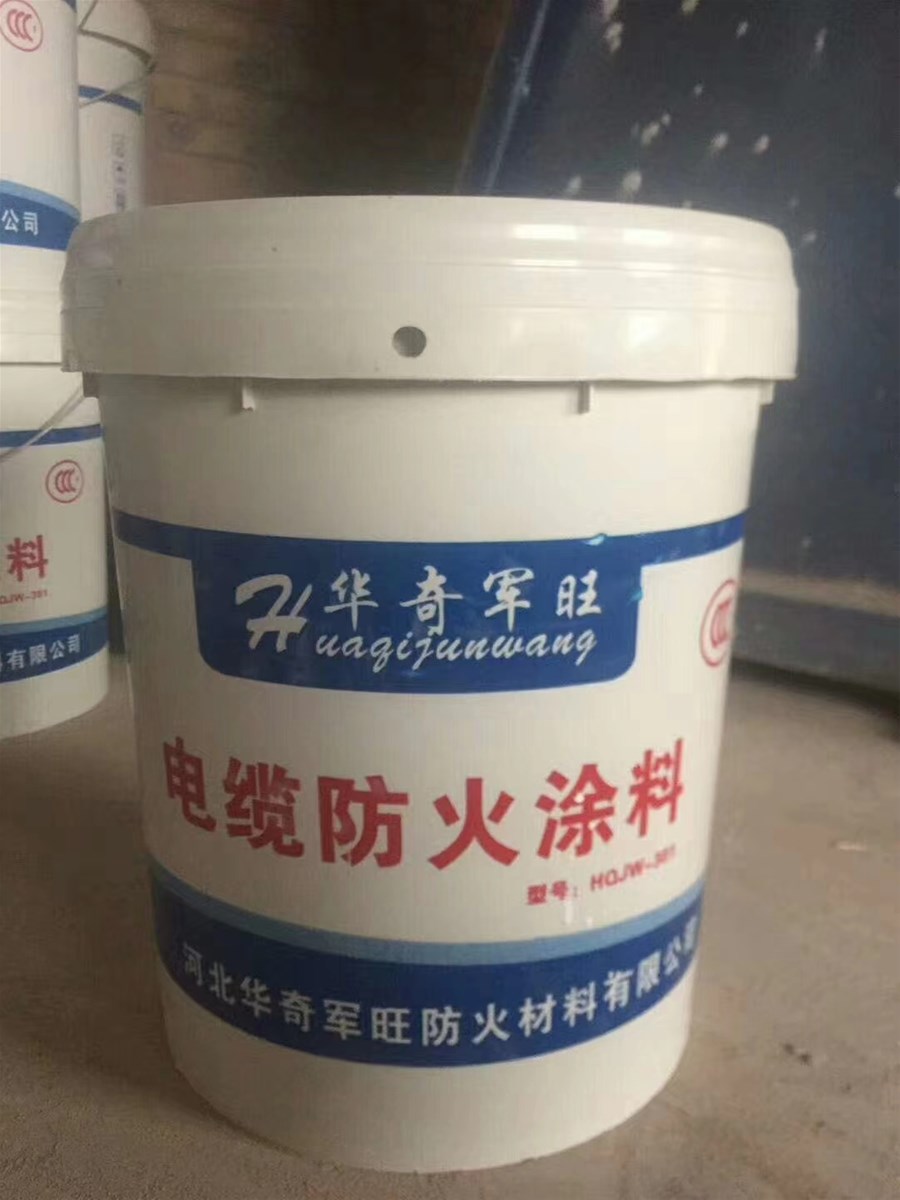
Fire-resistant coatings, also known as intumescent or fire-retardant coatings, are specialized protective layers applied to surfaces to delay the spread of flames, reduce heat transfer, and minimize structural damage during a fire. Here's a detailed breakdown:
1. Composition
Fire-resistant coatings typically consist of:
Binders (e.g., epoxy, acrylic, or silicone): Form the adhesive base.
Fire-retardant additives
Intumescent agents (e.g., ammonium polyphosphate): Expand when heated, forming an insulating char layer.
Endothermic materials (e.g., aluminum hydroxide): Absorb heat and release water vapor to cool the surface.
Flame inhibitors(e.g., halogenated compounds): Disrupt combustion
2. how It Works
Room Temperature: Acts as a decorative/protective coating.
during Fire Exposure (typically at 200250°C):
1. Expansion: Intumescent agents swell, forming a thick, porous char layer (up to 50 original thickness).
2. Insulation: the char layer blocks heat transfer, keeping the substrate (e.g., steel, wood) below critical failure temperatures.
3. Cooling: Endothermic additives absorb heat, slowing temperature rise.
3. Applications
Structural Steel: Prevents buckling in buildings (e.g., UL-certified coatings for 13 hour fire ratings).
Wooden Structures: Delays ignition in timber frames.
Electrical Cables: Halts flame propagation.
Industrial Facilities (e.g., oil rigs, ships): Complies with safety regulations like IMO/NFPA.
4. Types
Intumescent Coatings: Expand under heat (used for steel).
Cementitious Coatings: Non-expanding, mineral-based (for high-temperature resistance).
Thin-Film vs. Thick-Film**: Varies by substrate and required fire resistance duration.
5. Key Properties
Fire Rating: Measured in hours (e.g., 30min4 hours of protection).
Durability: Resists UV, moisture, and corrosion (depending on formulation).
Aesthetics: Available in colors/textures for architectural use.
6. Standards & Testing
UL 263 (ASTM E119): Evaluates structural fire resistance.
EN 13501-1: European fire classification.
ISO 834: Standard fire curve simulation.
7. Advantages
Passive Protection: Works without human intervention.
Lightweight: Unlike concrete or gypsum boards.
Cost-Effective: Lower installation/maintenance costs vs. Alternatives.
8. Limitations
Surface Preparation: Requires clean, primed substrates.
Environmental Sensitivity: Some types degrade under humidity/UV exposure.
9. Innovations
Nano-enhanced coatings: Improved thermal stability.
Eco-friendly formulations: Reduced VOCs and halogen-free additives.
Fire-resistant coatings are critical in modern fire safety engineering, balancing performance, aesthetics, and compliance with stringent building codes.
Would you like details on a specific type or application?